Discover the definitive year-round calendar for your urban vegetable garden. Learn what to plant each month on your balcony or in your yard with expert advice and growing tricks. Transform your space today!
Have you ever felt that almost magical satisfaction of pulling a tomato off your own plant, still warm from the sun, and biting into it knowing you grew it yourself? If the answer is no, get ready, because you’re about to pick up a habit you won’t want to quit.
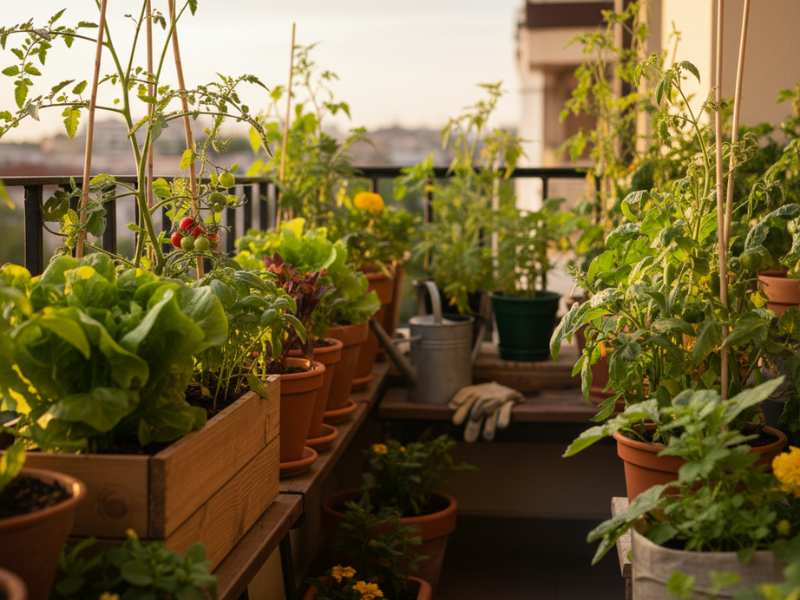
Having an urban garden on your balcony, or in a small yard, isn’t only about being green or saving a few dollars at the store, though it’s that too. It’s a way to connect with the cycles of the earth, to dial down the pace of this frantic world, and to take back some control over what we eat.
The big question is always the same, though: what do I do now? When do the peppers go in? Why do my lettuces bolt in summer? In this guide we’re going to break down, month by month, everything you need for a garden that works, with no stress and plenty of enjoyment along the way.
Why Follow a Year-Round Calendar in Your Urban Garden?
We sometimes want to force nature’s hand. We want tomatoes in December and cabbage in August. It can be done, technically, with a lot of equipment and energy, but if what we want is a garden that flows naturally and doesn’t cause more headaches than it’s worth, we have to learn to listen to the thermometer and to the plants’ own internal clock.
A calendar isn’t a cage, it’s a map. It helps us:
- Get ahead of pests before they show up.
- Make the most of our space, knowing which plant will replace the one we just harvested.
- Save money by not buying seeds or seedlings that won’t make it in our climate.
- Enjoy variety, since every season has its own flavors and textures.
Key Concepts Before You Start: Light, Soil, and Water
Before we dive into the month-by-month plan, I want you to check three pillars. Without these, the calendar won’t matter, because your plants won’t have the foundation they need to grow.
The Importance of Orientation and Light
The sun is your best ally, and it can also be your worst enemy in July. If your balcony faces south, you have a treasure trove of light, but you’ll need to provide shade in summer. If it faces north, forget about tomatoes and focus on leafy greens like spinach, lettuce, and chard.
The Growing Mix Is Not Just Dirt, It’s the Engine
Don’t cut corners here. A good mix for container vegetables usually includes coco coir, which keeps it light and holds moisture, plus worm castings, which are pure plant food. Blending those in a roughly 60/40 ratio is the secret behind the great container growers.
Watering: The Art of Not Drowning Your Plants
In containers, water evaporates faster, but it’s also easier to waterlog the mix and rot the roots. My advice: always touch the soil with your fingers before watering. If it’s damp an inch down, wait.
January: The Month of Planning and Dreaming Indoors
January tends to be cold, the kind of month made for blankets and coffee. Out in the garden it looks like everything has stopped, but nothing could be further from the truth. January is the month of strategy. If you’re anything like me, you’ll be itching to get your hands in the soil, but right now it’s time to use your head more than your trowel.
What to Sow in January
Outdoors, only the bravest crops. If you live somewhere with a mild winter, you can risk:
- Fava beans and peas, which handle the chill well.
- Garlic, if you missed the fall window. Fall is the ideal time, though late winter still gives you a decent crop in mild regions.
- Radishes and arugula, the sprinters of the garden, which put up with almost anything.
Tasks for the Month
This is the perfect moment to clean your pots, check your tools, and above all plan your crop rotation. Don’t put this year’s tomatoes in the same spot as last year’s. The soil gets tired and diseases settle in for the long haul.
Starting Seeds Indoors
If you have a bright corner inside or a small greenhouse, late January is when you can start onions and leeks from seed. There’s something exciting about watching those first green threads appear while it’s freezing outside.
February: The Slow but Unstoppable Wake-Up
In February we start to notice that the days are a little longer. The light begins to change and plants pick up on it before we do. It’s a bridge month.
Sowing and Planting
- Indoors under cover: this is when we bring out the heavy artillery. Eggplant, peppers, and tomatoes. Why so early? Because they grow slowly at first and they need warmth. Start them indoors now and by May you’ll have strong plants ready to go outside.
- Direct into soil or containers: winter lettuce, spinach, and carrots, as long as the soil isn’t frozen.
The Expert Trick: Protection
If you have plants that made it through the winter outside, February can bring late frosts that catch you off guard. Use frost cloth at night. It’s like putting a coat on your plants, and they’ll thank you for it.
March: The Starting Gun and Spring Madness
March is easily the most nerve-racking month for those of us with a container garden. The days stretch out, the sun warms up a bit more, and our urge to plant everything at once goes through the roof. Watch out, though, because March is a trickster. It comes in like a lion and goes out like a lamb.
What to Sow and Plant in March
This is the transition moment. We keep going with cool-season crops while starting to get ready for the heat:
- Direct sowing: this is the ideal moment for carrots, radishes, and beets. You can also start your first beans if your local climate is mild.
- Transplants: if you bought or started seedlings of lettuce, chard, or onions, now is when they go to their final spot.
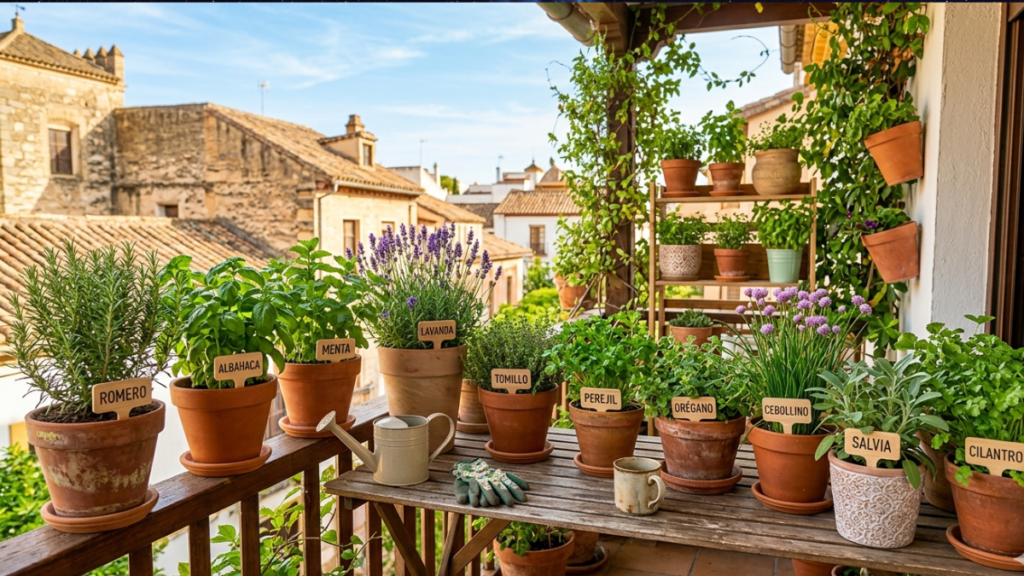
- Herbs: start filling the gaps with parsley, cilantro, and mint. That last one always goes in its own pot, because it’s a professional invader.
Maintenance Tasks
In March the weeds, which I prefer to call volunteer plants, start coming up with incredible force. Don’t let them steal food from your vegetables. Spend ten minutes a day pulling them by hand. It’s almost meditative, I promise.
April: The Month of Rain and Explosive Growth
April showers bring May flowers, and you really see it in the garden. Rainwater has something special about it. It carries a small amount of dissolved nitrogen, it has no chlorine or lime, and it soaks the soil thoroughly in a way the hose never quite manages.
The Urban Garden in April
- Tomatoes and peppers: if you live somewhere warm, like Southern California, the Gulf Coast, or Florida, you can start moving your tomato plants outside, though always keeping an eye on nighttime temperatures. If they drop below 50 °F, bring them in or cover them.
- Zucchini and cucumbers: their seeds are big and easy to handle. You can plant them straight into large containers. They grow so fast you can practically watch them move.
- Strawberries: if you want sweet strawberries this season, April is the cutoff for planting them so they establish well before the real heat arrives.
April’s Challenge: Snails and Slugs
With the moisture and the tender new growth come the uninvited dinner guests. Don’t despair. You can use beer traps or simply go out at night with a flashlight and pick them off by hand. It’s part of the deal when you garden naturally.
May: The Month of Splendor and Hard Work
May is possibly the loveliest month in any garden or on any balcony. Everything is green, the first flowers appear, and the smell of damp soil is intoxicating. Fair warning, though: this is where your summer gets decided.
What to Plant in May
Basically everything you love about summer. This is the moment for the headliners:
- Tomatoes of every variety: cherry, paste, beefsteak, slicing.
- Eggplant and peppers: they need lots of sun and a deep container.
- Basil: a must next to your tomatoes. Plenty of gardeners swear the two help each other along and that basil improves the flavor of the fruit, and it keeps mosquitoes at bay too.
Crucial Tasks
- Staking: your tomatoes and beans are about to shoot up. Give them stakes or twine to lean on. If they end up on the ground, they’ll rot or get sick.
- Top-dressing: since your plants are growing at full speed, they need fuel. Add an inch or so of worm castings on top of the soil in your containers.
June: The Prelude to the Feast
In June we start collecting the first rewards of our work. It’s the month of the first salads that are one hundred percent yours.
Harvesting and Sowing
- Harvest: lettuce, radishes, the first strawberries, and maybe an early zucchini.
- Sow: you can keep sowing beans and corn if you have the room. It’s also a good time for crops that handle the coming heat, like chard.
Watering Gets Serious
The sun is starting to beat down, and on a balcony the containers heat up a lot. A trick that works wonders for me is covering the soil surface with straw or pine bark, which is to say mulching. That keeps the roots cool and stops the water from evaporating in ten minutes.
July: Survival and Abundance
July is a challenge. The heat can be suffocating, especially in cities like Phoenix, Dallas, or Atlanta. Your mission this month is to make sure nothing dies of thirst.
Caring for Your Garden in July
- Constant watering: you may need to water twice a day, first thing in the morning and last thing in the evening. Never water in full sun, or you risk cooking the roots.
- Daily harvest: tomatoes start ripening by the day. Don’t leave them on the vine too long. The more you pick, the more energy the plant puts into new fruit.
- Pest patrol: aphids and spider mites love dry heat. If you see yellowing leaves or tiny webs, act fast with insecticidal soap and neem oil.
Can You Plant Anything in July?
As crazy as it sounds, July is when we start thinking about fall. If you have a cool, shaded spot, you can start seedlings of cabbage, broccoli, and cauliflower, which take a long time to grow and need to be ready by the time the weather cools.
August: Vacation and Harvest
August is the month for relaxing, but the garden doesn’t take a vacation. If you’re going away for a few days, make sure you’ve set up an automatic watering system, or a very kind neighbor whom you can bribe with a few homegrown tomatoes.
The Glory of August
This is tomato season at its absolute peak. Enjoy the flavors, put up some preserves, give some away. The abundance of an August garden is the payoff for all those months of planning.
Maintenance Tasks
- Maintenance pruning: remove dry or diseased leaves so air can move between the plants. This prevents fungal problems.
- Seed saving: pick the biggest, best-looking tomato from your best plant and save its seeds for next year. This works with open-pollinated and heirloom varieties. Seeds from F1 hybrids won’t grow true to the parent plant.
September: The Second Spring and the Seasonal Switch
September is a month I love. It has that back-to-school energy that pushes us to reorganize everything. The suffocating heat starts to let up and many plants that were stressed by the August sun seem to come back to life. It’s what a lot of us call the garden’s second spring.
What Happens in the Garden in September
This is the moment for brave decisions. Some tomato plants still have fruit on them, but if they look exhausted or fungus-ridden, it’s better to thank them for their service and pull them to make room for what comes next.
Sowing and Planting for Fall
- Leafy greens: this is prime time for spinach, escarole, and more lettuce. The cool air starting to arrive suits them perfectly.
- Radishes and turnips: they grow incredibly fast now that the soil is still warm but the air is cooler.
- Onions and leeks: if you didn’t start seeds earlier, you can buy starts now and put them straight into your containers.
Key Task: Restoring Your Soil
After a whole summer feeding hungry plants like tomatoes and zucchini, your soil is spent. Don’t just plant the next thing on top of it. Add a good dose of compost or worm castings to recharge the soil’s batteries.
October: The Month of Brassicas and Winding Down
October is when the landscape changes color. In the garden, the deep greens of the cabbages start taking over from the red of the last tomatoes. It’s a month of cleanup and getting ready for the cold.
The Urban Garden in October
- Brassicas: broccoli, cauliflower, cabbage, and Brussels sprouts. They’re the queens of winter. They need space and a nutrient-rich mix. If you’re on a balcony, look for mini varieties, which adapt much better to containers.
- Fava beans and peas: in many regions, October is the ideal time to start winter legumes. They have an incredible advantage, which is that they fix nitrogen in the soil, so while they grow they’re fertilizing the ground for next year.
Getting Ready for the Cold
If nighttime temperatures are already dropping where you live, it’s time to bring out the balcony greenhouse or the covers. Don’t wait for the first frost to protect your most sensitive plants.
November: Time for Roots and Quiet
November makes you want to stay indoors, honestly, but your garden still has plenty to say. It’s the month when activity above ground slows down while the roots keep working below.
What to Plant in November
- Garlic: this is the main planting window, traditionally a few weeks before the ground freezes hard. Bury the cloves pointy end up, and don’t get that backwards.
- Carrots and beets: you can still sow them, though they’ll grow much more slowly than in spring. The upside is that cold makes them store more sugar, so they taste sweeter.
Soil Maintenance
If you have empty beds or containers you won’t use until spring, don’t leave them bare. Rain and wind erode the soil and kill off the beneficial microorganisms. Cover them with a thick layer of straw, dry leaves, or even plain cardboard with no ink on it. Keeping soil covered is keeping it alive.
December: The Warrior’s Rest and Time to Reflect
We’ve reached the end of the cycle. December is a month for observing. The garden is at its lowest point of activity, and there’s something beautiful about that stillness.
December Tasks
- Pruning fruit trees: if you have any potted fruit trees, like a lemon tree or a dwarf apple, now that they’re dormant is when you can shape them.
- Cleaning tools: take advantage of the slow season to clean, sharpen, and oil your tools. You’ll thank yourself in March when you need them in perfect shape.
- Seed planning: pull out your seed collection, see what you have left, what’s expired, and start dreaming about next year’s catalog.
The Art of Preserving: Enjoy Your Garden All Year Long
One of the biggest beginner mistakes is thinking the garden ends when you eat the vegetable. Not by a long shot. If you’ve followed this calendar, August and September will have brought an explosion of produce you couldn’t possibly eat day by day. This is where the magic of preserving comes in.
Water Bath Canning
Classic homemade tomato sauce or jarred roasted peppers. There’s nothing like opening a jar of your own tomatoes in the middle of November to make a stew. It’s like storing a little piece of August sunshine in a glass jar.
Drying and Dehydrating
Herbs like oregano, thyme, and rosemary keep beautifully if you hang them upside down in a dark, well-ventilated spot. You can also dehydrate cherry tomatoes cut in half with a little salt. They’re genuine vegetable candy.
Smart Freezing
Green beans, peas, and spinach freeze perfectly if you blanch them first, meaning a couple of minutes in boiling water and then straight into ice water. That way they hold their color and their vitamins for months.
Frequently Asked Questions About Urban Gardening
However much I write, there are always questions left hanging. Here I’m answering the ones we’ve all asked ourselves at some point while standing in front of a pot with a puzzled look on our face.
Can I have an urban garden if my balcony only gets 2 hours of sun?
You can, but you have to be realistic. With 2 hours you won’t get spectacular tomatoes or peppers. Lettuce, spinach, arugula, mint, and parsley, on the other hand, can live happily with less light. Adapt your crops to your light instead of the other way around.
Do I have to use chemical fertilizers?
Absolutely not. In a container garden, where the volume of soil is small, synthetic fertilizers can build up salts and wreck the microbial life. Use worm castings, compost, or organic liquid feeds like seaweed extract or fermented nettle tea. Your health and the flavor of your vegetables will both notice the difference.
My plants have bugs, what do I do?
First: don’t panic. A garden with no bugs is a dead garden. The goal is balance. If you have a lot of aphids, try water with insecticidal soap. The best approach, though, is attracting the garden police. Plant flowers like calendula or French marigolds, which draw in ladybugs, the finest aphid eaters on the planet.
As you can see, having an urban garden is a journey that lasts 365 days. It isn’t only about producing food, it’s about changing how you look at what’s around you. It’s learning to be patient, to accept failures, because some plant of yours is going to die and that’s fine, and to celebrate every small sprout as a victory.
I’d love to know where you’re at. Are you just starting out, or are you already a container veteran? Which crop keeps defeating you year after year? Tell me in the comments! I read every message and I love it when we swap tricks, because that’s how a community actually grows.