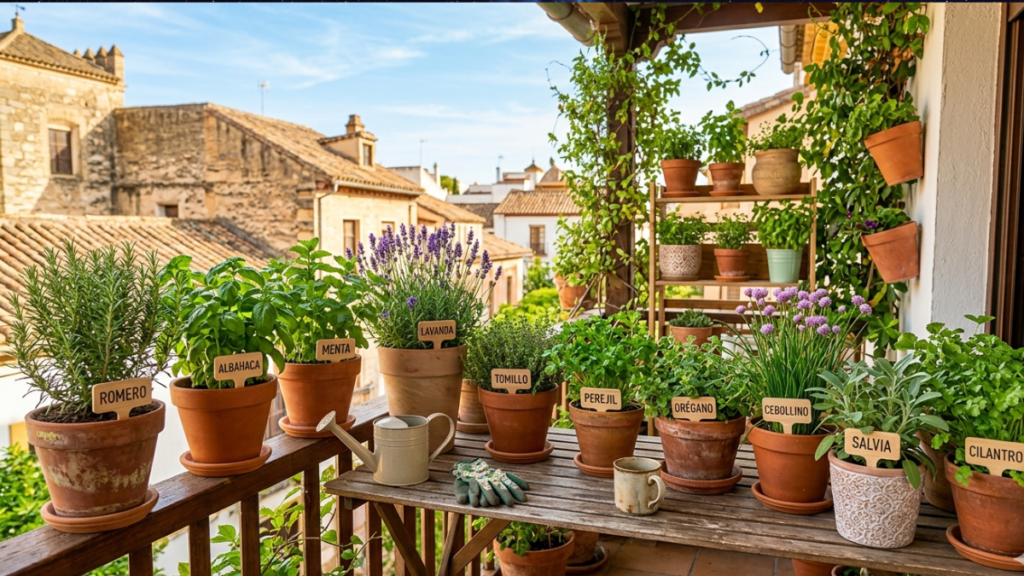
Learn how to grow herbs on your balcony with this definitive guide. 10 essential plants, expert care tips, and tricks to turn your home into an oasis of fragrance. Click through and transform your balcony today!
You know that feeling when you’re cooking, you realize the dish needs a hit of freshness, and you simply reach out to your balcony for a few leaves of fresh-cut basil? It’s another level entirely. We’re not only talking about cooking here. We’re talking about health, mental wellbeing, and reconnecting with nature even if you live on the seventh floor downtown.
I’ve spent years experimenting with pots, growing mixes, and orientations, and I promise you that growing herbs is one of the most rewarding decisions you can make. You don’t need acres of land, just the desire and the right information. In this article we’re going to break down, point by point, the 10 plants your green corner can’t do without, covering everything from their ancient origins to the watering secrets nobody tells you about.
This post may contain affiliate links. If you buy through them, you support my work at no extra cost to you
Why Your Balcony Is the Perfect Place to Start Growing Herbs
A lot of people hold back because they think a balcony is a hostile place for plant life. Nothing could be further from the truth. A balcony is a controlled microclimate. You can move the pots when the sun gets too intense, or pull them in when an unexpected frost rolls through. On top of that, since they’re right there next to you, the care is far more consistent.
The Idea of Growing Your Own, Steps From the Kitchen
When you decide to grow herbs, you’re creating a genuinely local food system. You shrink your carbon footprint, you skip unnecessary supermarket plastic, and most importantly, you get real flavor back. Packaged herbs tend to lose their essential oils within hours of being cut. When the plant is alive, those oils, which carry the aroma and the therapeutic benefit, are fully intact the moment you use them.
Benefits for Your Mental Health
This isn’t just theory. Getting your hands dirty in soil lowers cortisol levels. Watching a tiny parsley seed come up, or a rosemary plant stretch its branches toward the sun, has a meditative effect. For me, my balcony is my refuge, the place where the traffic noise fades and the only thing that matters is how damp the soil is.
Essential Prep Before You Plant
Before we meet our 10 stars, we have to set the stage. Not just any soil will do, and not just any pot, if what you want is a professional, long-lasting result.
1. Light: The Fuel Behind the Aroma
Most culinary herbs come from Mediterranean climates or warm regions. That means they’re addicted to sun. To grow herbs successfully, you need at least 6 hours of direct light a day.
- If you have lots of light: lavender, rosemary, and thyme will be your best friends.
- If you have partial shade: mint, parsley, and chives will adapt better.
2. Drainage: The Secret to Success
If something kills herbs, it isn’t lack of water, it’s too much of it. Roots need to breathe. Make sure your pots have holes in the base, and work a handful of volcanic rock or perlite into the mix itself. A note here, because this one gets repeated everywhere: a layer of gravel at the bottom of the pot doesn’t actually improve drainage. It raises the waterlogged zone closer to the roots. Mixing coarse material throughout the soil is what genuinely works.
3. The Growing Mix: Don’t Cut Corners Here
Forget the cheap bargain-bin soil. You need a mix that’s light, rich in organic matter, and that won’t compact. A blend of coco coir, worm castings, and perlite is the luxury cocktail that will have your plants growing with serious vigor.
1. Rosemary (Salvia rosmarinus): The King of Toughness
We start with a heavyweight. Rosemary is probably the most rewarding and robust plant you can own.
Origin and History
Rosemary is native to the Mediterranean region. Its Latin name, ros marinus, means dew of the sea, since it can survive on the moisture carried by sea breezes. It has been used since ancient Greece not only as a seasoning but as a symbol of memory and fidelity. Greek students were said to wear rosemary crowns to sharpen their focus during exams.
Specific Care for Your Balcony
To grow rosemary in a container, you have to remember that it hates having wet feet.
- Water: very moderate. Let the soil dry out completely between waterings. In winter you can practically forget about it.
- Light: all the sun you can give it. The more sun it gets, the more essential oils it produces and the stronger its scent.
- Pruning: shaping it is essential. Without pruning it turns woody and scraggly. Trim the tips often to encourage bushy, compact growth.
Uses and Benefits
Beyond roasted potatoes, which are incredible, rosemary is a powerful antioxidant. A rosemary infusion is a classic for circulation and for toning the nervous system. It’s also a natural pest repellent, so keeping it on the balcony helps protect your more delicate plants.
2. Basil (Ocimum basilicum): The Queen of Summer
If one plant defines the smell of summer, it’s basil. It’s the joy of the garden, though watch out, because it’s also the drama queen of the balcony if you don’t give it what it wants.
The Origin and Mystique of Basil
Native to the tropical regions of central Africa and Southeast Asia, it reached Europe along the spice routes. In India it’s sacred, in the Tulsi variety, and in Italy it’s a symbol of love. Growing herbs like basil connects you to a thousand-year tradition of culinary freshness.
Specific Care: How to Keep It Lush
Unlike rosemary, basil is demanding. It doesn’t like being thirsty, and it doesn’t like swimming either.
- Light: it needs plenty, but if you live somewhere the midday sun really bites, like the Southwest, find it a spot with light shade during the hottest hours.
- Water: frequent but controlled. The trick is to water directly onto the soil, keeping the leaves dry so fungus doesn’t take hold. If the leaves look sad and droopy, it’s begging for a drink.
- The pruning secret: this is vital. To keep your basil from bolting and dying early, cut off the flowers the moment they appear. If you let it bloom, the plant decides its cycle is over and dries up. Always cut just above a leaf node so it branches out into a beautiful ball.
Uses That Will Change Your Life
Pesto isn’t the only reason to grow it. A fresh basil leaf in a gin and tonic, or in a tomato and mozzarella salad, is pure bliss. Plenty of gardeners also swear by it as a mosquito repellent, so keeping a couple of pots near the door is a popular first line of defense against bites.
3. Mint (Mentha spicata): Untamable Energy
If you’re afraid of killing your plants, mint is your answer. It’s practically indestructible and it has an energy that takes over everything.
Origin and Varieties
Mint has grown wild across Europe and Asia since time immemorial. There are hundreds of varieties, from chocolate mint to pennyroyal to spearmint, and they all share that astonishing capacity to spread. That’s why, with this one, the golden rule is simple: always in its own pot. Plant it with others and mint will eat its neighbors’ space with those creeping roots.
Care for a Cooler Balcony
- Placement: it’s one of the few that prefers partial shade. If your balcony doesn’t get direct sun all day, mint will be your star.
- Soil: it likes constant moisture. Don’t let the mix dry out completely. One trick is a saucer with a little water underneath on very hot days, without overdoing it.
- Renewal: every year or two, lift the plant, divide the roots, and replant with fresh mix. You’ll watch it come back with renewed force.
Therapeutic Benefits
Mint is the queen of heavy digestions. An infusion of fresh leaves after a meal works wonders. Its aroma is also a natural stimulant. If you’re working from home and feeling drained, step out to the balcony, rub a mint leaf, and breathe deeply. I promise it clears your head better than coffee.
4. Lavender (Lavandula angustifolia): The Mediterranean Dream
There’s nothing like the purple of lavender against a blue sky. It’s the calming plant par excellence and a magnet for urban biodiversity.
Origin and Elegance
Native to the Mediterranean basin, lavender is the soul of the fields of Provence. On a balcony it brings vertical structure and a color nothing else offers. You’ll also attract pollinators like bees and butterflies, which is a lovely thing to watch.
Care So It Doesn’t Dry Out
Many people fail with lavender because they baby it too much. Lavender wants to suffer a little.
- Soil: it needs very sharp drainage and prefers something slightly alkaline. Add a bit of coarse sand or perlite to the mix.
- Water: sparse. Only when the soil is dry. Excess moisture rots the roots within days.
- Maintenance pruning: to keep it from turning into a bundle of dry sticks, prune after flowering. Cut the flower stems and an inch of the green growth to hold the rounded shape.
Uses Around the House
Cut the flowers at their peak, dry them upside down in a dark spot, and make little fabric sachets. Put them in your closets and your clothes will smell clean and stay protected from moths. If you have trouble sleeping, leave a couple of sprigs near your pillow. Lavender is one of the gentlest natural aids for winding down that exists.
5. Thyme (Thymus vulgaris): Small but Mighty
Thyme is that humble plant that blows your mind with its intensity the moment you get close. It’s the essence of scrubland hillsides.
Origin and Extreme Toughness
Thyme is a born survivor of the arid zones of southern Europe. It’s built to handle frost, wind, and scorching sun. That makes it a must for anyone with a balcony that’s heavily exposed to the weather.
How to Care for It in a Pot
- Light: sun, sun, and more sun. In shade it loses its aroma and grows weak.
- Water: minimal. It’s one of those plants that appreciates being forgotten now and then.
- Pots: it prefers terracotta, which breathes better and keeps the roots cool and dry.
6. Parsley (Petroselinum crispum): Grandma’s Essential
No self-respecting kitchen goes without a good bunch of fresh parsley. Did you know, though, that growing parsley is a real exercise in patience at the start?
Origin and Green Legends
Parsley is native to the central Mediterranean, though it has naturalized across Europe. The ancient Greeks used it for the victors’ crowns at athletic games and to decorate tombs. Curiously, it was said that only strong-willed people could make it germinate quickly.
Care for Magazine-Worthy Parsley
If you buy the plant already grown, it’s easy. If you decide to sow seeds, brace yourself, because they can take up to a month to appear.
- Light: parsley doesn’t like scorching sun. It prefers partial shade or filtered light. Hit it with two o’clock August sun and the leaves will yellow and lose all their flavor.
- Water: it loves moisture, but steady moisture, never waterlogged. One trick is a little compost or mulch on the surface so the moisture doesn’t evaporate so fast in summer.
- Harvest: never cut the stems in the center. Parsley grows from the heart outward. Always cut the outer, older stems, and the plant will keep producing new leaves nonstop for nearly two years.
A Superfood in a Pot
Parsley has more vitamin C by weight than oranges and it’s a serious source of iron. Chew a fresh parsley leaf after eating something garlicky and you’ll neutralize your breath instantly. It’s nature’s chewing gum.
7. Oregano (Origanum vulgare): The Smell of Homemade Pizza
Nothing screams Mediterranean food louder than oregano drying in the sun. On a balcony, oregano is one of the most rewarding herbs because it adapts so well it’s practically a weed.
Origin and Wild Strength
Its name comes from the Greek oros, meaning mountain, and ganos, meaning joy. Literally, the joy of the mountain. It grows wild on sunny, rocky slopes throughout the Mediterranean basin.
How to Care for It So the Flavor Pops
- Placement: it wants sun, the more the better. With plenty of sun the leaves come out smaller but far more potent in flavor.
- Soil: it isn’t fussy at all. An all-purpose mix that drains well is more than enough.
- Pruning: it tends to sprawl across the pot. If you want it dense, trim it often. Don’t be shy, it loves the treatment.
The Drying Trick
Unlike most herbs, oregano gains intensity when dried. Cut the stems while the plant is in flower, tie them with twine, and hang them upside down somewhere dry and dark. Once dry, crumble the leaves and store them in a glass jar. The difference from store-bought is enormous.
8. Chives (Allium schoenoprasum): Vertical Elegance
If you want something both beautiful and delicious, chives are your plant. Their long, needle-thin leaves give any balcony a modern touch, and their round purple flowers are edible and gorgeous.
Origin and Family
Chives are the smallest member of the onion and garlic family. They come from the cooler zones of Europe and Asia. They’re ideal for a balcony because they take up very little horizontal space while growing well upward.
Care for Always-Green Chives
- Water: they’re among the thirstiest. If the soil dries out too much, the tips turn brown. Keep the mix at the texture of a wrung-out sponge.
- Light: bright light, but avoid the harshest direct sun.
- Cutting: when you need chives, don’t just snip the tips. Cut the whole stem about an inch from the base. It’ll come back even stronger. It’s like giving it an energy reset.
Gourmet Uses
Chop them very fine and add them to an omelet, a vegetable soup, or cream cheese. They bring that mild, fresh onion flavor that lifts any simple dish to restaurant level.
9. Sage (Salvia officinalis): The Health Plant
The name says it all: it comes from the Latin salvare, to save. Tradition holds that anyone with sage in their garden doesn’t need a doctor. On a balcony, sage brings a different texture with its velvety gray-green leaves.
Origin and Mysticism
Native to the Mediterranean, it was considered a sacred plant by the Romans and the Egyptians. It was used for everything, from digestive troubles to improving memory.
Care So It Doesn’t Suffocate
Sage is very sensitive to excess moisture, both in the air and in the soil.
- Airflow: it’s crucial that air moves between its leaves. Don’t crowd it in with other plants.
- Water: very moderate. Wait until the top layer of soil is thoroughly dry.
- Renewal: sage usually turns woody after 3 or 4 years. When you notice fewer tender leaves, it’s time to take cuttings and start over.
Wellbeing Benefits
It’s a great ally for heavy meals, and it has a long traditional use during hormonal transitions, though the evidence there is limited and it’s worth checking with a doctor before relying on it. Burning a dried sage leaf is also an old practice for freshening a room, and it leaves an incredibly clean smell behind. Just crack a window while you do it.
10. Cilantro (Coriandrum sativum): The Exotic Touch
We finish with the plant that generates the most debate on earth: you either love it or you hate it. If you like Mexican, Thai, or Moroccan cooking, though, this one is non-negotiable.
Origin and Curiosities
Exotic as it seems, it’s native to southern Europe and North Africa. It has been in use for more than 3,000 years. The leaves are used fresh, while the seeds, coriander, are a completely different spice in flavor once dried.
The Cilantro Challenge on a Balcony
Cilantro has a very short life cycle. The moment it feels a bit of heat, it decides it’s time to flower and die.
- The master trick: sow a few seeds every 3 weeks. That way, when one plant is finishing its cycle, the next is ready to harvest.
- Light: it prefers indirect light or shade during the hottest hours, which delays bolting.
- Soil: always moist and rich in nutrients.
Expert Secrets for Keeping Your Balcony Forever Young
When you decide to grow herbs, you become a small-scale manager of living things. Three pillars separate a beginner from a true master of aromas: pruning, nutrition, and keeping intruders in check.
Pruning: The Art of Rejuvenating Your Plants
A lot of people are afraid to pick up the shears. Mistake! Pruning isn’t hurting the plant, it’s giving it a shot of energy. If you don’t prune, the plant turns woody at the base and stops producing those tender, flavorful leaves we’re after.
- Shaping prune: do it in spring to give a rounded form to shrubby plants like thyme or lavender.
- Constant pinching: with basil or mint, pinch off the top tips with your fingers. That forces the plant to send out two new branches for every one you remove.
Organic Nutrition: Real Food for Your Herbs
Your plants live in a limited space, the pot, and nutrients run out fast. Careful, though: overdo the synthetic fertilizer and the leaves will grow large while losing all their flavor and scent.
- Worm castings: black gold. Add a couple of handfuls to the surface of the pot every two months. It’s gentle, it won’t burn the roots, and it improves the soil structure.
- Banana peel tea: if your plants are going to flower, like lavender, they need potassium. Boil 3 banana peels in a quart of water, strain it, and water with that brew once a month. It’s an old homemade trick and it costs nothing to try.
Pest Control Without Poison
On a balcony, the most common pests are aphids and whiteflies. Since you’re growing herbs you plan to eat, never use toxic chemical insecticides.
- Insecticidal soap and neem oil: the dynamic duo. Spray this mix once a week if you spot bugs. It’s completely eco-friendly and safe.
- Natural allies: if you see a ladybug on your balcony, throw it a party. They’re the best aphid hunters in the world.
Typical Mistakes to Avoid at All Costs
After years of looking at balconies, these are the three errors that kill the most plants:
- Watering over the leaves: many herbs, like sage or basil, hate getting their leaves wet. It encourages fungal problems such as powdery mildew. Always water at soil level.
- Pots without drainage: putting a plant in a beautiful glass container with no holes is a death sentence by root suffocation.
- Not rotating the pots: on a balcony, light usually comes from one side. If you don’t turn the pot 90 degrees each week, your plant will grow crooked and weak on one side.
Frequently Asked Questions About Growing Herbs
Can I grow herbs inside the kitchen?
You can, but it’s a challenge. Herbs need lots of light and, above all, airflow. If your kitchen is very bright and you open the window daily, go for it. Otherwise, take them out to the balcony. They’ll thank you for it many times over.
Which plants can share the same pot?
As a general rule, group the ones with similar needs. Rosemary, thyme, and oregano get along beautifully because they all want little water and lots of sun. Parsley and chives also pair well since they both prefer moisture. Mint, though, always goes alone!
Can you grow herbs in winter?
Of course! Rosemary, thyme, and lavender handle cold just fine. Basil and cilantro are more delicate. If it freezes where you live, bring them indoors near a window until the cold snap passes.
Is it better to use seeds or buy an established plant?
If you’re just starting out, I recommend buying a small starter plant. Seeing results right away is far more motivating. Seeds are great for parsley or cilantro, but with rosemary you’d wait an eternity to see it reach any size.
How often should I change the soil?
You don’t need to replace all of it every year. Refreshing the top two inches with new mix and worm castings each spring is enough to reactivate the life in the soil.
I hope this guide gave you the little push you needed to fill your balcony with green. There’s nothing like the satisfaction of watching something grow with your own hands. It’s cheap therapy, it’s delicious, and on top of that it decorates your home beautifully ^^