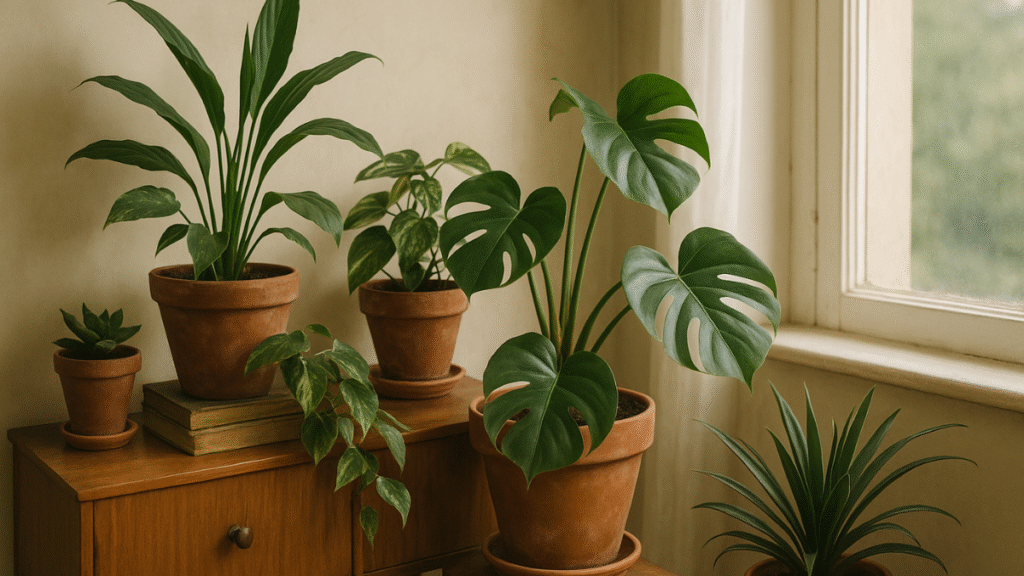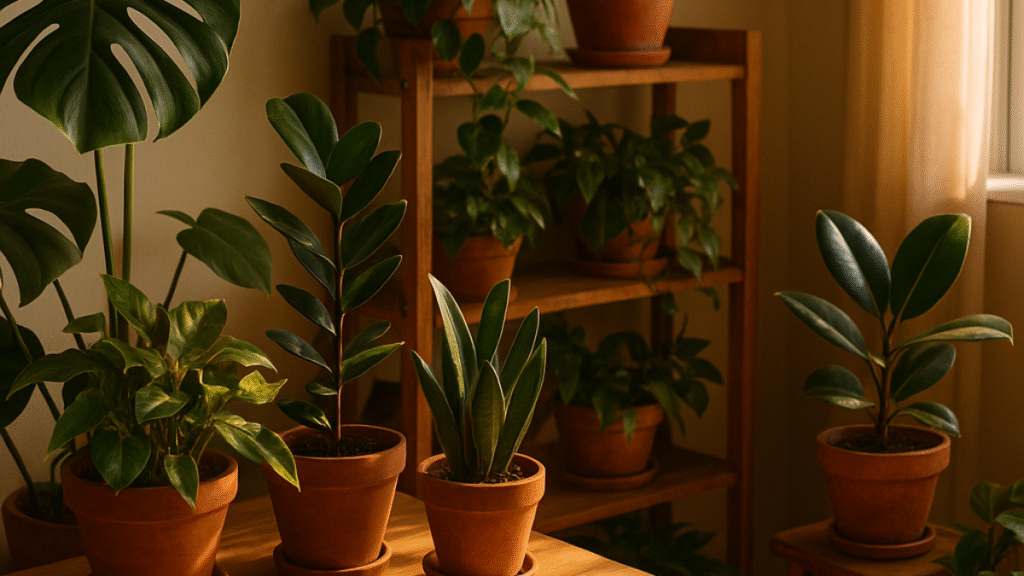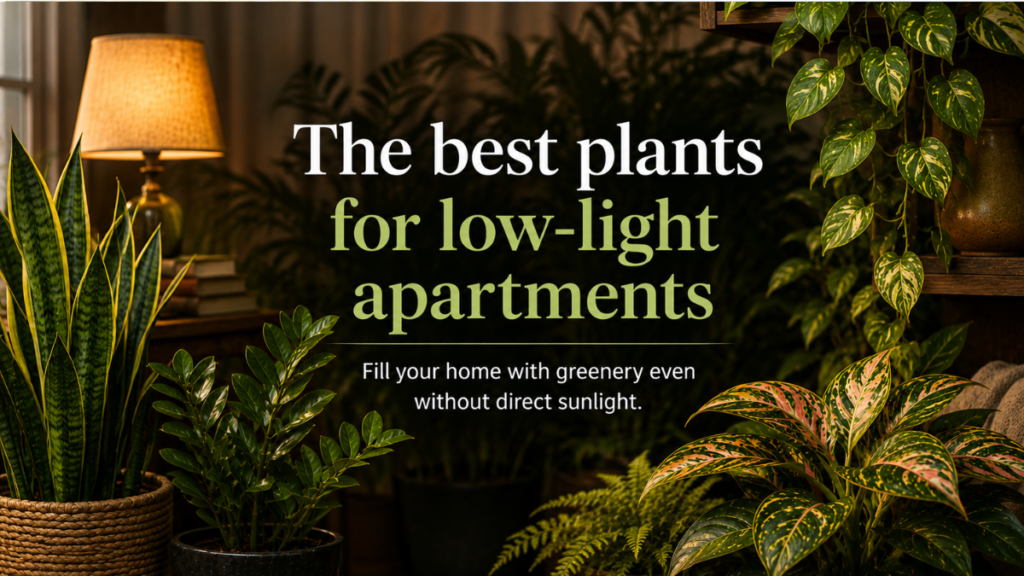
Discover the best plants for low-light apartments and learn how to care for them without complications. A complete, down-to-earth guide for filling your home with green even when the sun barely comes in.
Living in an apartment with little light can make you think plants aren’t for you. For a long time we’ve been told that without huge windows and direct sun it’s impossible to keep healthy plants at home. That belief has made plenty of people give up on greenery before even trying, and the reality is quite different.
There are plants that don’t merely tolerate low light, they adapt to it naturally. Plants that grow slowly and calmly, without demanding impossible conditions, and that turn dull spaces into living corners. Having a north-facing apartment, small windows, or interior rooms is not a plant death sentence. It’s simply a type of home that calls for more deliberate choices.
What Low Light at Home Really Means
Before we talk about specific plants, it helps to clarify what we mean by low light. People often confuse low light with total darkness, and they’re not the same thing. Most low-light apartments still get natural brightness during the day, even if no direct sun comes through the windows.
A low-light space is usually a room where you can move around without turning on lamps during the day, but where the sun never hits directly. It can also be an interior room that gets light reflected from other rooms, or a hallway with indirect natural light. Even a bathroom with a small window falls into this category.
What matters isn’t so much the momentary intensity of the sun, it’s how consistent the brightness is. A room with soft light for many hours is more favorable for most plants than a space where a strong beam comes in for a few minutes and then goes dark for the rest of the day.
Observing your home carefully is the key. Notice how the light changes through the day, which corners let you read without switching on a lamp, and which ones need artificial help even at noon. That information is far more useful than any theoretical classification.
Why Some Plants Do Better in Low Light
Many of the plants we keep indoors come from environments where direct light isn’t the main character. Tropical forests, humid woodlands, and shaded areas under large trees are their natural habitat. There they get filtered light that’s steady and soft, very similar to what you find in a lot of low-light apartments.
These plants have developed larger leaves, adapted tissues, and slower growth rates that let them make the most of whatever brightness is available. When you place them indoors in moderate or low light, they don’t feel stressed, they don’t scorch, and they hold a steadiness that suits home life perfectly.
That’s why many plants actually suffer more in very bright homes than in dim ones. Direct sun can burn their leaves, speed up water evaporation, and make them need more constant care. In bright shade, on the other hand, plants grow slowly but in a stable, balanced way.
Understanding this completely changes your perspective. Having low light isn’t a disadvantage, it’s simply a different context that calls for choosing the right species.
The Advantages of Choosing Plants Suited to Low Light
Choosing plants that adapt to low light has clear advantages that go beyond mere survival. These plants tend to be tougher, less demanding, and much more rewarding over the long run.
One of the main advantages is how easy they are to care for. Because they grow more slowly, they need less watering and less fussing. That shrinks your margin for error and makes the whole experience more relaxed, especially if you’re just getting started with plants at home.
Another important advantage is freedom of placement. Not having to crowd every plant against a window lets you play with the space, decorating shelves, hallways, corners, and interior rooms without worrying that the plant will suffer.
They also bring a sense of calm to a home. Their unhurried growth and steady appearance give off a feeling of balance.
Before You Choose: Things Worth Keeping in Mind
Not All Shade Plants Behave the Same Way
Although many plants tolerate shade, they don’t all do it in the same way. Some merely survive, while others adapt and grow naturally. Picking species that are genuinely comfortable in low light is the difference between a plant that hangs on and one that looks beautiful for years.
Low Light Doesn’t Mean No Light
No plant can live without natural light. Even the toughest ones need some brightness to photosynthesize. If a room gets absolutely no light at all, it’s better to look at alternatives, like moving the plant closer to a brighter room, or rethinking the use of live plants in that space.
Patience Is Part of the Process
Low-light plants grow slowly. That pace isn’t a problem, it’s a feature. Accepting it helps you enjoy the process without unrealistic expectations and without getting frustrated.
The Best Plants for Low-Light Apartments
At this point it’s time to talk about specific names. Plants that really work in dim apartments, not just in theory but in daily practice.
Snake Plant, Toughness and Elegance With No Effort
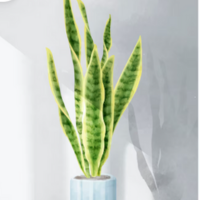
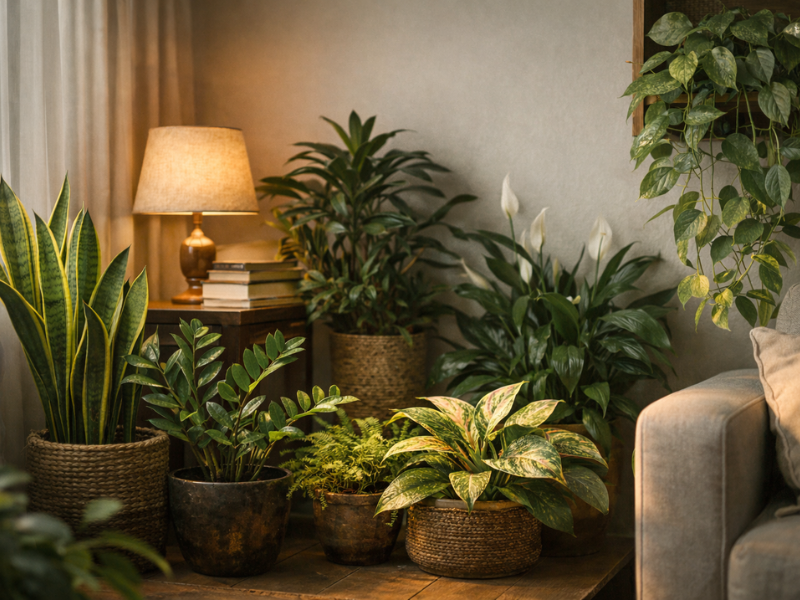
The snake plant is one of the most reliable choices for dim interiors. It tolerates shade, infrequent watering, and temperature swings without trouble. It grows slowly, keeps a firm look, and adds a very decorative vertical structure.
It works well in living rooms, bedrooms, hallways, and home offices. It doesn’t need constant attention and it forgives neglect, which makes it a great option at any experience level.
ZZ Plant, Understated and Very Rewarding
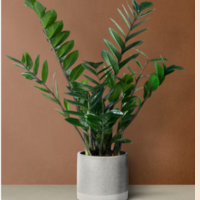
The ZZ plant stands out for how well it adapts. Its glossy leaves and orderly growth make it look healthy at all times. It handles low light without difficulty and needs very infrequent watering, since it stores water in its stems.
It’s perfect for homes where you don’t want to keep tabs on care schedules, and for spaces where the light is soft and steady.
Pothos, Adaptable and Versatile Even in Shade
Pothos is one of the most versatile plants out there. It grows faster with more light, but it adapts very well to dim conditions. Its leaves may lose some of their variegation, though the plant keeps growing and staying healthy.
It’s ideal for shelves, tall furniture, and hanging pots. It also communicates its needs clearly, which makes caring for it much easier. This is one you shouldn’t skip.
More Low-Light Plants Worth Knowing About
Beyond the best-known plants, there are other species that do very well in dim apartments and bring different nuances to a space. Widening your range of options lets you choose not only for toughness, but for looks and feel.
Cast Iron Plant, Discreet and Tough in Equal Measure
The cast iron plant tends to go unnoticed until you’ve lived with it for a while. It doesn’t grab attention with spectacular growth or flashy foliage, but it stands out for something far more valuable in a dim apartment: its stability.
It tolerates shade, temperature swings, and irregular watering with admirable calm. Its long green leaves stay firm for years while asking for almost nothing. It does very well in living rooms, entryways, or interior rooms where other plants can’t manage to settle in.
It’s the perfect plant for anyone who wants green at home without constantly worrying about whether they’re doing it right.
Dracaena, Height and Structure in Dim Spaces
Dracaenas are widely used indoors precisely because of how well they adapt. They don’t need direct sun and in fact appreciate being shielded from it. Their slender trunks and long leaves add height and make a space look larger.
They settle in nicely in corners with moderate or low light and don’t need frequent watering. They’re ideal for spots where you want a plant with presence but without many demands.
Chinese Evergreen, Color and Texture Even in Shade
The Chinese evergreen proves that a dim apartment doesn’t have to give up on color. There are varieties with green, silver, and pink-tinged leaves that visually brighten any space.
It’s a tough plant, easy to care for and very rewarding. It works well in living rooms, bedrooms, and offices with soft light. It needs no special care and stays decorative even in less than ideal conditions.
Ferns, Natural Freshness Where Light Is Limited
Ferns bring a sense of freshness that’s hard to match. They do need a bit more humidity in the air, but they adapt well to dim spaces as long as there’s natural brightness.
They’re especially suited to bathrooms with a window, kitchens, or areas where humidity is naturally present. Keeping the soil slightly damp and avoiding overly dry air is enough to keep them healthy.
Where to Put Your Plants So They Develop Well
Choosing the right spot matters as much as choosing the right plant. In a dim apartment it isn’t about placing plants at random, it’s about making the most of the best spots in the house.
Living rooms are usually the most rewarding spaces, even when they get no direct sun. Placing plants near the window but out of direct exposure is generally a good move. Side tables, shelves, and low furniture where light arrives indirectly also work well.
Bright hallways offer an excellent opportunity for tough plants. A snake plant, a ZZ plant, or a cast iron plant can turn these spaces into areas with character without needing any special care.
Bedrooms usually have softer, steadier light, which is ideal for many shade-tolerant plants. Putting them in quiet corners helps create a more relaxed, welcoming atmosphere.
Bathrooms with a window, however small, are very suitable for plants that appreciate humidity, like ferns or pothos. The combination of indirect light and moisture in the air is usually very favorable.
How to Water Low-Light Plants Without Making Mistakes
Watering is one of the trickiest parts of keeping plants in a dim apartment. With less evaporation, the soil stays damp for longer and the risk of overwatering goes up.
Watering moderately is essential. Before adding water, check the state of the soil by sticking a finger into it. If it’s still damp, it’s better to wait. It doesn’t matter how many days have passed since the last watering.
In winter, the frequency should drop even further. Plants enter a resting phase and need less water. In summer you may need to increase it slightly, but always with care.
Drainage plays a key role. Pots need holes that let excess water escape. Leaving water sitting in the saucer can cause root problems, especially in low-light conditions.
Common Mistakes When Caring for Low-Light Plants
Assuming Any Houseplant Works in Any Space
This is one of the most common mistakes. Not every houseplant is equipped to live in shade. Some need far more light than they appear to and end up declining if they don’t get it.
Overwatering Out of Fear the Plant Will Dry Out
The fear of not watering enough usually leads to watering too much. In a dim apartment, that mistake is especially damaging. Most problems come from too much water, not too little.
Constantly Moving Plants Around
Frequently shifting plants in search of the perfect spot usually creates more stress than benefit. Plants need time to adapt to their surroundings. Continual changes get in the way of that process.
Expecting Fast Growth
Shade-tolerant plants move at a slow pace. That unhurried growth doesn’t signal a problem, it’s a natural adaptation to the environment.
A Simple Maintenance Routine
Keeping plants in a dim apartment doesn’t require complicated routines. Regular observation and basic care are usually enough.
Once a week, check the general state of your plants, look at the leaves, and test the moisture in the soil.
Once a month, it helps to wipe the leaves with a damp cloth. That removes built-up dust and lets the plant make better use of the light it has.
With each change of season, it’s worth adjusting your watering slightly and, if needed, moving the plant to take better advantage of the available brightness.
Common Problems in Low-Light Plants and How to Handle Them
Even if you choose the right plants and follow the basics, it’s normal for questions or small problems to come up at some point. Plants aren’t static decorative objects. They respond to their environment, to the seasons, and to our habits, and that’s part of the experience of living with them.
Yellow Leaves on Plants Living in Shade
Yellowing leaves are one of the signals that worry people most. In a dim apartment, the usual cause is overwatering. The soil takes longer to dry and the roots stay wet for too long.
Cutting back on watering is often enough to fix it. It’s worth checking that the pot drains well and making sure water doesn’t collect at the bottom. In many cases the plant stabilizes on its own once you adjust this.
Plants That Seem Stuck and Aren’t Growing
Shade-tolerant plants grow slowly by nature. That measured pace isn’t a problem as long as the plant looks healthy overall. Firm leaves, steady color, and no spots are usually signs that it’s doing fine.
Forcing growth with fertilizer or constant relocation tends to backfire. Stability and patience are better allies in these cases.
Stretched Stems and Smaller Leaves Than Usual
This behavior can mean the plant is reaching for more brightness. It doesn’t mean it needs direct sun, but it does want slightly stronger light. Moving it a little closer to a window, or to an area with more indirect light, can help.
Dull or Dusty Leaves
Dust reduces a plant’s ability to use the light it has. In a dim apartment, that detail matters even more. Wiping the leaves with a damp cloth on a regular basis noticeably improves both the look and the health of the plant.
How to Make Low-Light Plants Look Better Without Complicating Their Care
Small gestures make a big difference and require no advanced knowledge or demanding routines. An airy, quality potting mix, for instance, improves drainage and prevents moisture problems. You don’t need to change it often, though it’s worth making sure it doesn’t compact over time.
The choice of pot matters too. Terracotta lets the soil breathe better and is especially useful in dim environments. Plastic holds more moisture, so it calls for more attention to watering.
Turning the plant slightly every so often helps it grow evenly and keeps it from leaning to one side in search of light.
Frequently Asked Questions About Plants for Low-Light Apartments
Can you keep plants in a home with very little natural light?
As long as there’s some natural brightness, even indirect, you can keep plants. The key is choosing adapted species and placing them in the brightest spots in the home. In spaces with no natural light coming in at all, live plants can’t develop properly.
Do low-light plants need fertilizer?
They don’t usually need much fertilizer. Overfeeding can create more problems than benefits. If you do decide to use it, the ideal is to feed only in spring or summer, and in gentle doses.
Do I need to use artificial grow lights?
In most low-light apartments it isn’t essential. Many plants adapt perfectly well to indirect natural light. Artificial light can help in extreme cases, but it usually isn’t necessary for the species recommended here.
Which is the toughest plant for a low-light apartment?
The snake plant and the ZZ plant stand out for their resilience and how easy they are to care for. They’re very reliable options for anyone starting out, or for anyone who knows they won’t be able to spend much time on plant care.
Is it a good idea to group plants together in a dim apartment?
Grouping plants can be beneficial, since it creates a more stable and slightly more humid microclimate. Many species appreciate that shared environment.
The Emotional Side of Living With Plants in a Dim Home
Keeping plants in a low-light apartment means shifting how you look at things. It means accepting slower rhythms, observing closely, and enjoying small steps forward. One new leaf, a color that holds, a plant that stays steady month after month in a quiet corner of the house.
Plants aren’t looking for perfect conditions, they’re looking for consistency and stability. Caring for them in dimmer spaces teaches you to value steadiness over speed and to understand that beauty isn’t always immediate.
That kind of coexistence creates a calmer relationship with your home. The greenery becomes a quiet companion that brings life without demanding the spotlight.
A dim apartment isn’t an obstacle to having plants, it’s simply a different environment that calls for deliberate choices. There are tough, adaptable, genuinely beautiful plants that live well in these conditions and transform a space without asking for extreme care.
Starting small and observing as you go is the best way to bring green into your home. You don’t need to fill every corner or get it perfect. It’s enough to choose well, place them with intention, and let each plant find its spot.
Every home is different, and so is every experience with plants. If you live in a dim apartment and have a plant that’s working well for you, it’s worth sharing. If there’s a tricky corner you don’t know how to fill with green, mentioning it can help turn up solutions.
Reading real experiences always brings new ideas and points of view. Shared learning makes this road simpler and a lot richer.