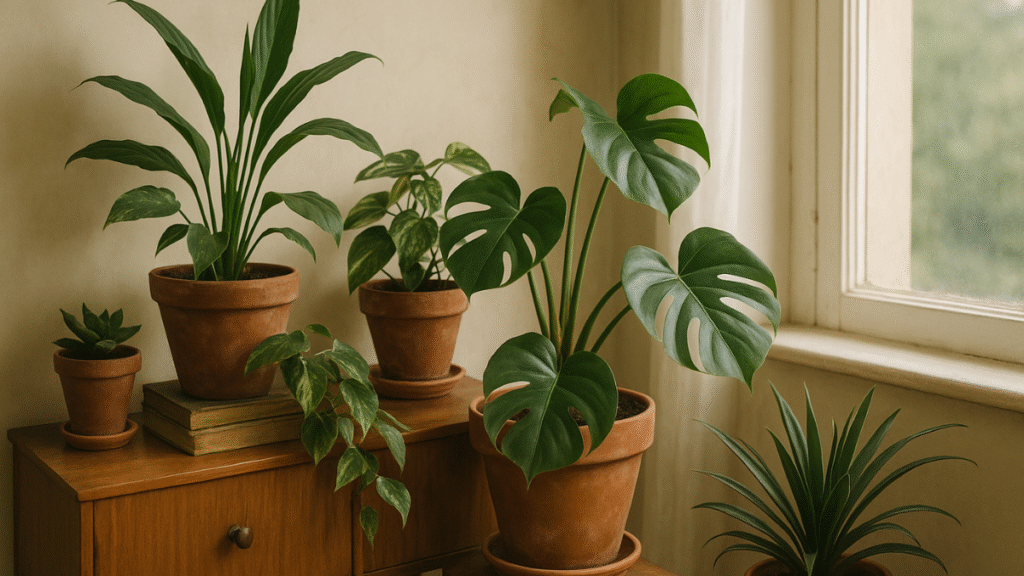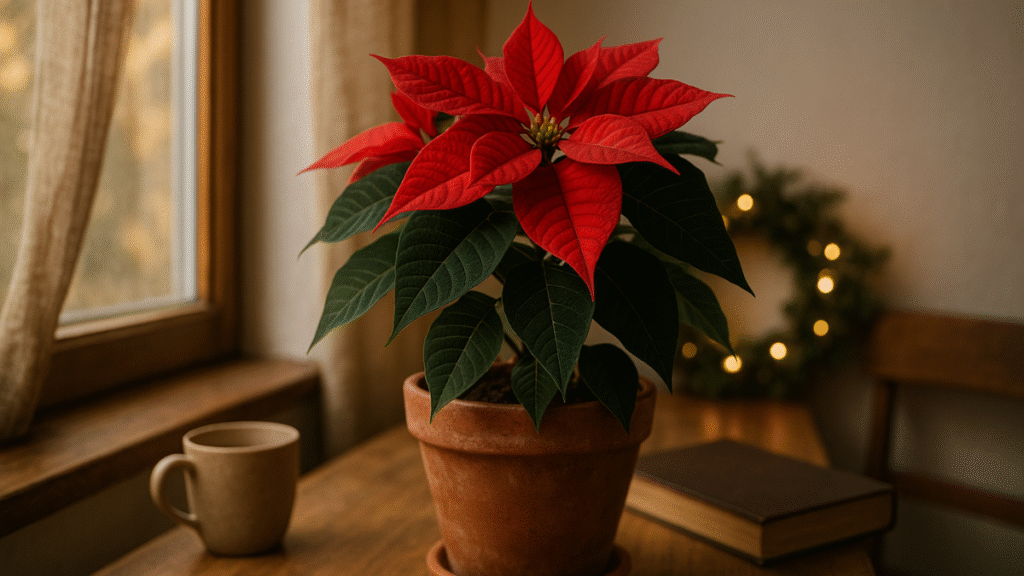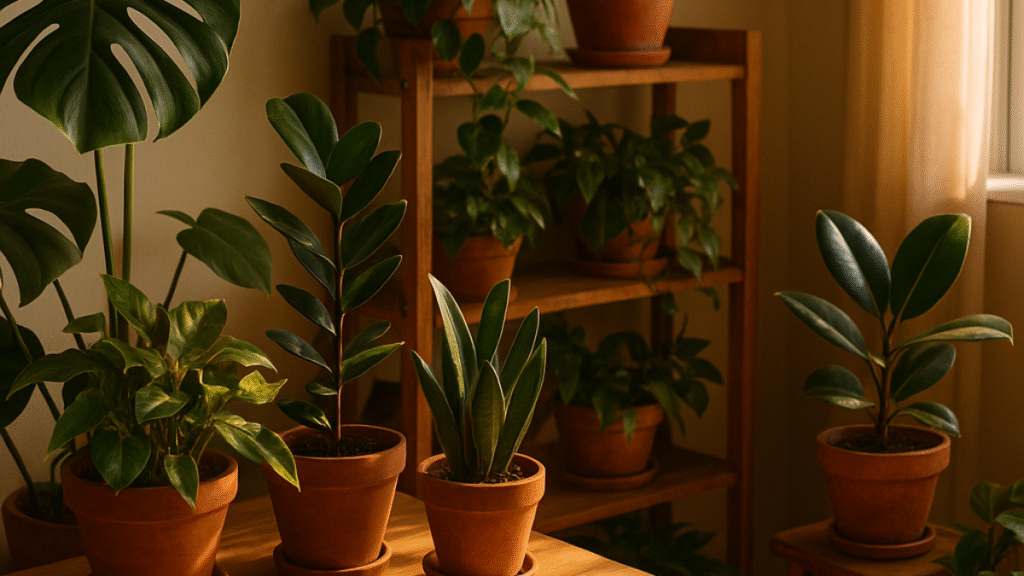
Discover the top 10 easiest houseplants to care for. Perfect if you’re just starting out, if you don’t have much time, or if you simply want to fill your home with green without the hassle. I’ll share my experience, my tricks, and how to keep them growing happily!
Why Choose Easy-Care Plants
When you’re starting out with plants, the important thing isn’t having a lot of them, it’s choosing well. Easy houseplants help you build confidence and understand how they respond to light, to water, and to the change of seasons.
The best part is how forgiving they are. They keep growing even if you forget about them for a bit, if you go away on a trip, or if you don’t have much time. On top of that, they give you far more than you’d expect. They help with air quality, they lower your stress, and they fill your home with a natural sense of calm.
Having plants is a simple way to reconnect with what matters and to bring nature into your everyday life.
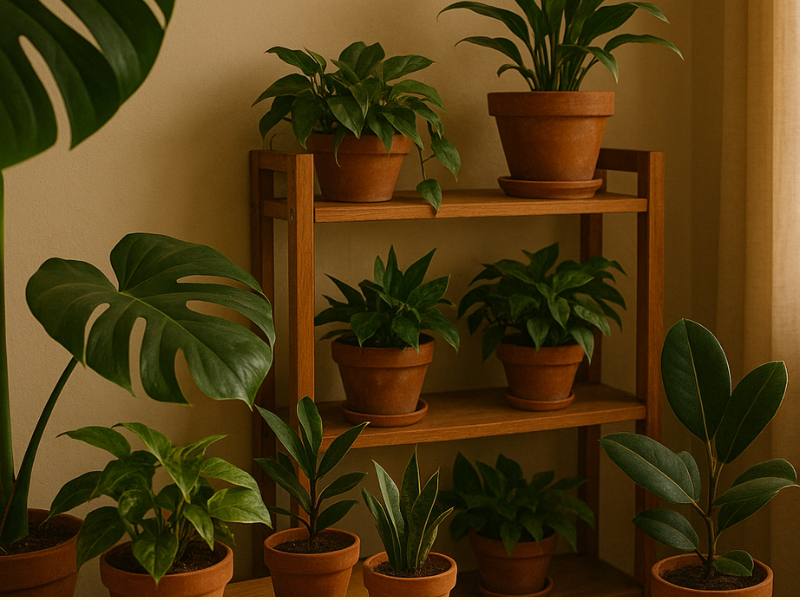
My Top 10 Easiest Houseplants to Care For
Here’s my personal ranking, built on wins, mistakes, late waterings, and a few comebacks that genuinely surprised me.
1. Pothos (Epipremnum aureum): The King of Beginner Plants
Pothos is the plant that seems to have superpowers. It’s tough, it adapts to almost any spot, and it grows with real enthusiasm. I love it because it makes a place feel like home right away. You can hang it, set it on a shelf, or even let it climb up a wall.
Basic care:
- Light: it likes indirect light, though it survives in shadier spots too.
- Water: once a week, or whenever the soil feels dry.
- Tip: cut a stem and put it in water, and you’ll watch it root in no time.
Pothos is like that friend who always has your back. It keeps growing even when you think you’re doing everything wrong.
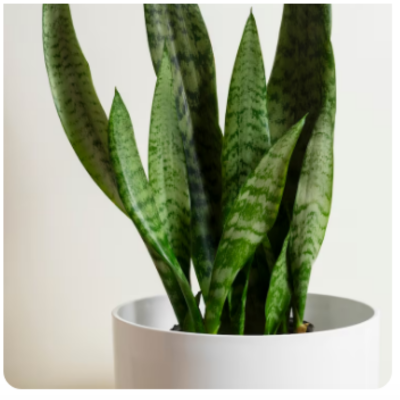
2. Snake Plant, or Mother-in-Law’s Tongue: Indestructible and Elegant
The snake plant is a born survivor. If you’re the type who forgets to water or travels a lot, this one is perfect for you.
Its firm, pointed leaves give any corner a clean, modern look. It’s also a great air-quality plant.
Basic care:
- Light: it handles almost anything, from bright light to shade.
- Water: every two or three weeks. When in doubt, wait a little longer.
- Tip: avoid wetting the leaves when you water, since it doesn’t need that.
It’s ideal for the bedroom, because it helps with air quality and asks for very little attention.
3. ZZ Plant, the One That Survives Anything
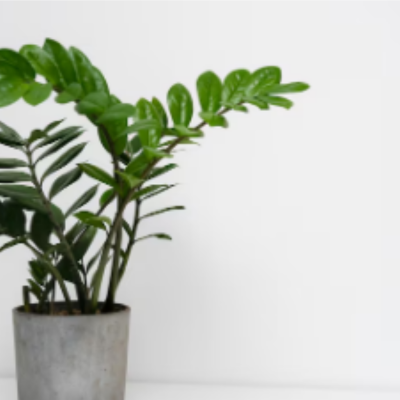
The ZZ plant is perfect for anyone who claims they have a black thumb. It’s tough, and its thick, glossy leaves store water, so it can go weeks without a drink.
Basic care:
- Light: it prefers medium to low light.
- Water: every two or three weeks, letting the soil dry out.
- Tip: wipe the leaves with a damp cloth now and then to bring back their shine.
It grows slowly, but when it does, you notice. It’s understated and elegant, and it gives any room a fresh, tidy feel.
4. Neon Pothos: A Cheerful Touch
This pothos variety has a brighter color, with yellow and chartreuse tones that light up any corner. It’s just as tough as the classic one, only more cheerful to look at. If your home leans toward neutral tones or light wood, this plant brings a warm, natural contrast that changes everything.
Basic care:
- Light: it likes bright indirect light.
- Water: once a week, or when the soil is dry.
- Tip: you can train its stems along a cord or a stake so it climbs.
It has something special about it, as if it always added a little extra light wherever you put it.
5. Pilea Peperomioides, the Chinese Money Plant
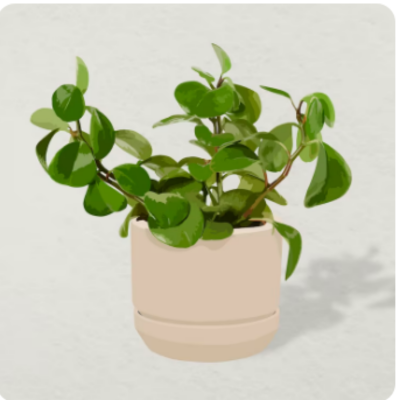
The pilea is one of those plants you fall for at first sight. Its round leaves look like little green coins, which gives it a cheerful, friendly look.
It also grows fast and propagates easily. Before long you’ll see new pups popping up around it, so you can give away cuttings and fill more corners with life.
Basic care:
- Light: it likes brightness, but not direct sun.
- Water: once a week.
- Tip: turn the pot every few days so it grows evenly.
People say it brings good luck. I can’t confirm that, but watching it grow always brightens my day.
6. Monstera Deliciosa: The Tropical Queen
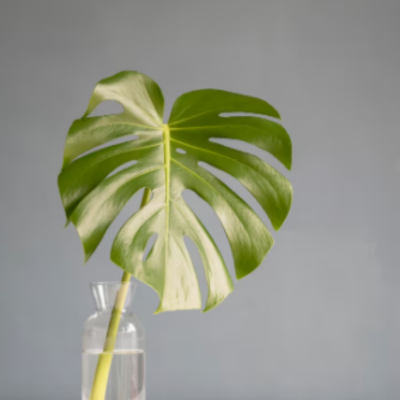
If there’s one plant that transforms a space, it’s the monstera. Its big, hole-punched leaves look like they came straight out of a jungle and bring any room to life. The best part is that it doesn’t ask for much, just good light and a bit of water.
Basic care:
- Light: plenty of indirect light.
- Water: weekly, or when the soil dries out.
- Tip: wipe the leaves and add a moss pole if you want it to grow upward.
It has a presence that shifts the whole mood of a room. Just looking at it makes you feel better.
7. Peace Lily: Elegance and Harmony
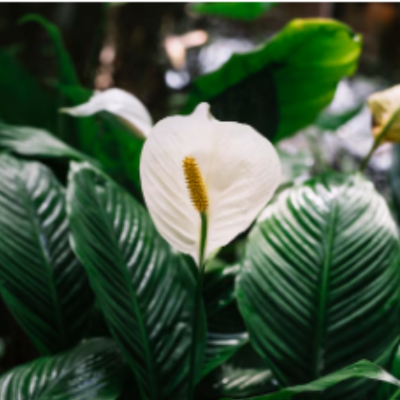
The peace lily is pure calm. Its green leaves and white blooms give a clean, elegant touch to a room.
It also helps with air quality and adapts really well to indoor life. It likes humidity, which is why it does so well in a bathroom or near a window.
Basic care:
- Light: bright, but no direct sun.
- Water: check the soil first. In summer that often means twice a week, and once a week in winter.
- Tip: mist the leaves if the air in your home is dry.
Watching it bloom is one of those small joys that remind you that taking care of something pays off.
8. Cacti and Succulents: The Classics That Never Fail
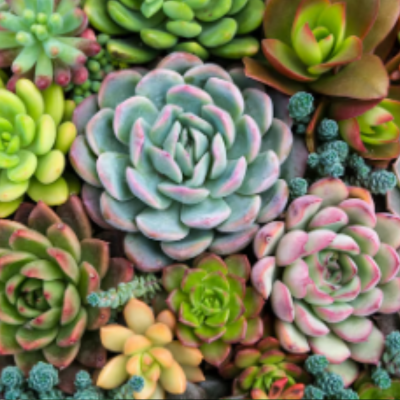
I couldn’t leave out cacti and succulents. They’re the favorites of people who don’t have time but do want green around them. They’re tough, pretty, and perfect for decorating, since you can build gorgeous combinations in small pots or trays.
Basic care:
- Light: lots of light, or direct sun.
- Water: every two or three weeks, and sparingly.
- Tip: use well-draining soil to avoid waterlogging.
They don’t need constant attention, yet they still fill a space with harmony and natural beauty.
9. Boston Fern, the Fresh and Feathery One
The Boston fern has a wild quality I love. Its fine fronds and their movement give off a feeling of freshness and vitality.
It likes humidity, so if you have a bathroom with natural light, or a well-ventilated corner, it will feel right at home.
Basic care:
- Light: indirect, with no direct sun.
- Water: keep the soil damp, without overdoing it.
- Tip: mist the fronds often.
It’s a great plant if you like rooms with texture and that indoor-forest feel.

10. Calathea: The Plant That Moves With the Light
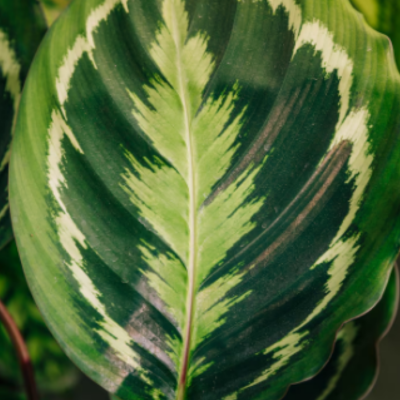
There’s something magical about the calathea. Its leaves shift position through the day, opening with the light and folding up at night. The colors are intense, and the natural markings look almost hand-painted. It needs a bit of humidity, but it’s still easy to care for once you get the hang of it.
Basic care:
- Light: medium to low, with no direct sun.
- Water: when the soil starts to dry out.
- Tip: use filtered or rainwater if you can.
Watching it move as the day goes by is one of those small things that connect you with nature without leaving the house.
How to Combine Your Houseplants for a Harmonious Look
Having plants is lovely, and if you combine them well you can turn your home into a natural refuge. Play with heights and textures. The big leaves of a monstera look great next to the shine of a ZZ plant, or the round shapes of a pilea.
If you like a natural style, go for terracotta or wicker pots. If you prefer something more modern, white or gray ceramic always works. You don’t have to fill every surface either. Sometimes one well-placed plant changes the energy of an entire room.
Frequently Asked Questions About Easy-Care Houseplants
How often should I water my houseplants?
It depends on the species, but most of them prefer less water than we think. Wait until the top layer of soil is dry before watering again.
Can I have plants if my home doesn’t get much light?
Yes. Some plants are perfectly happy in the shade, like the ZZ plant, pothos, or snake plant.
What do I do if the leaves turn yellow?
It’s usually too much water or not enough light. Adjust those two things and watch how your plant responds.
How do I know when to repot?
When roots start poking out of the drainage holes, or if the soil dries out too fast.
Which houseplants are safe if I have pets?
Calathea, pilea, and areca palm are all safe choices. Several plants on this list are not, though. Pothos, ZZ plant, monstera, peace lily, and snake plant can all irritate a pet’s mouth and stomach if they chew on them, and the same goes for ficus and dieffenbachia. If you have a curious cat or dog, hang those high or pick from the safe group instead.
Caring for Plants Is Also Caring for Yourself
Every plant has taught me something different. They’ve taught me patience, how to accept the pace of things, and how to enjoy small progress. Caring for them helps me connect with myself. It reminds me that, just like them, I need light, water, and calm.
Keeping houseplants isn’t only about filling your home with green. It’s a way of living more slowly, of reconnecting with nature and with yourself ^^
So, What Will Your First Plant Be?
If you don’t have any yet, pick one from this list and start without fear. You don’t need to know everything or have a lot of space, just a pot, a little light, and the desire to watch something grow. Tell me in the comments which houseplants you have or which one you’d like to have. I’d love to read you and swap tips!